
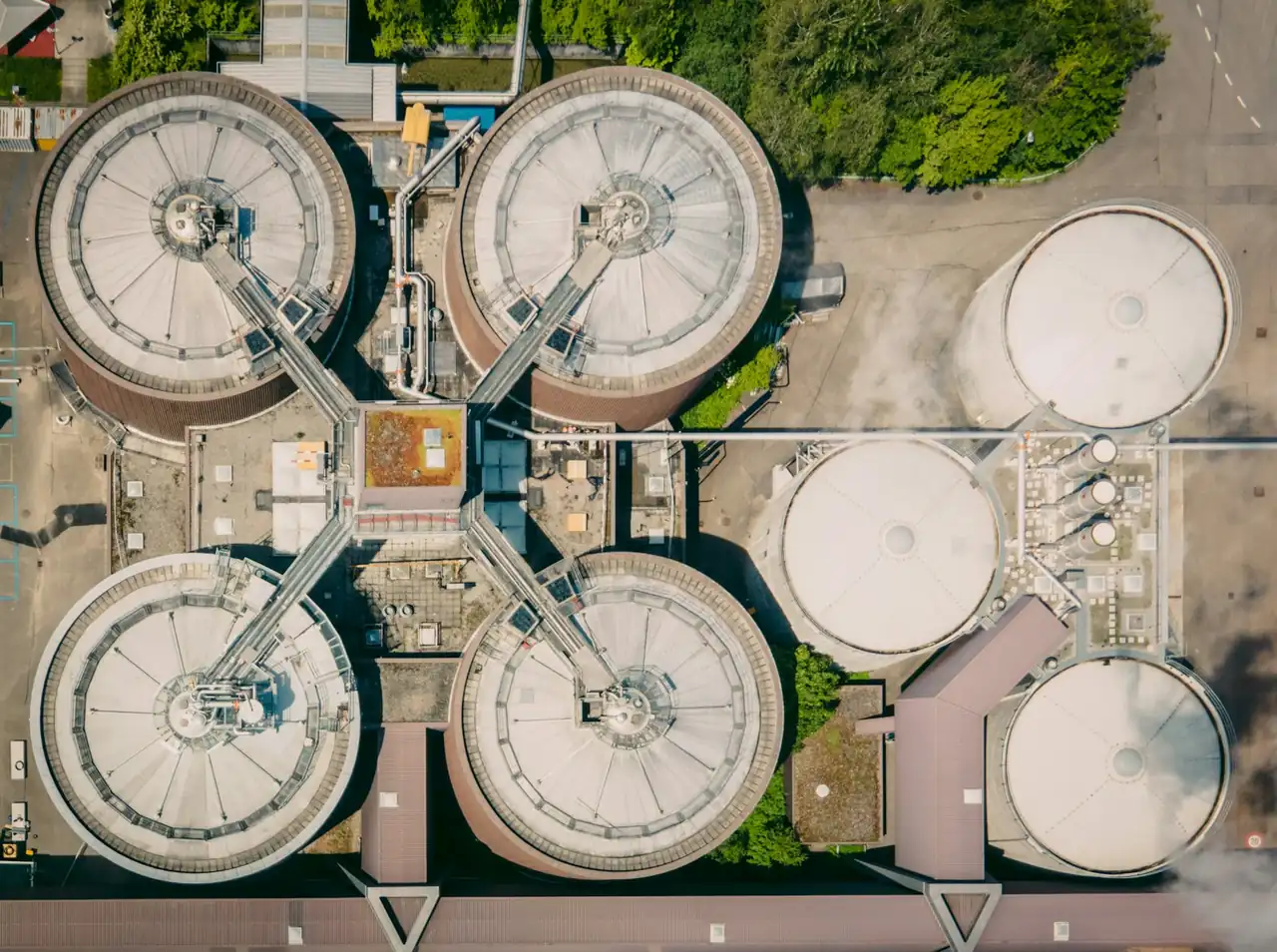
Environmental permits & discharge consents
Italian environmental permits (AUA, AIA/IED, EIA) and discharge consents, from application to approval.
Learn more: Environmental permits & discharge consents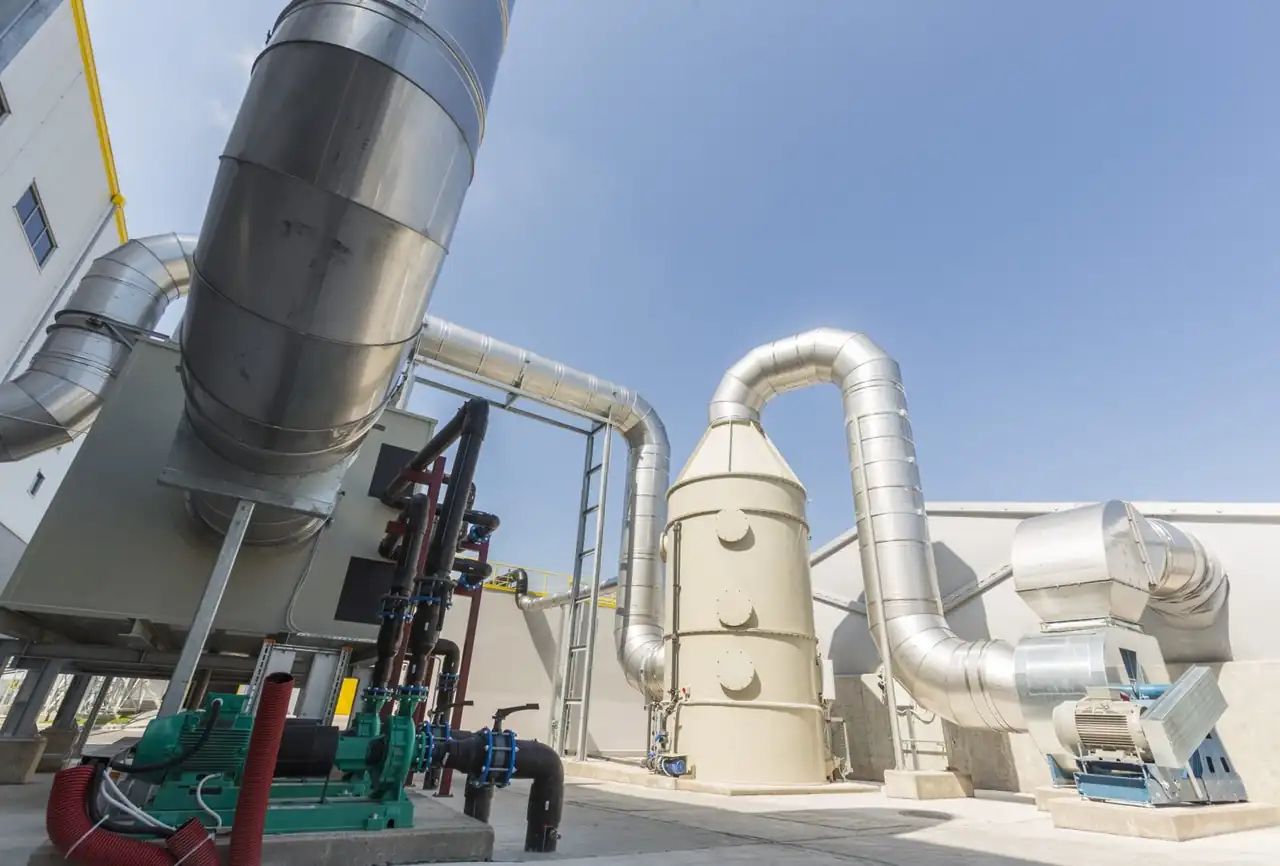
Effective odour control starts with dynamic olfactometry (EN 13725) and capture of sources, then selects treatment: biofilters for large flows, chemical scrubbers for ammonia and hydrogen sulphide, activated carbon for polishing.
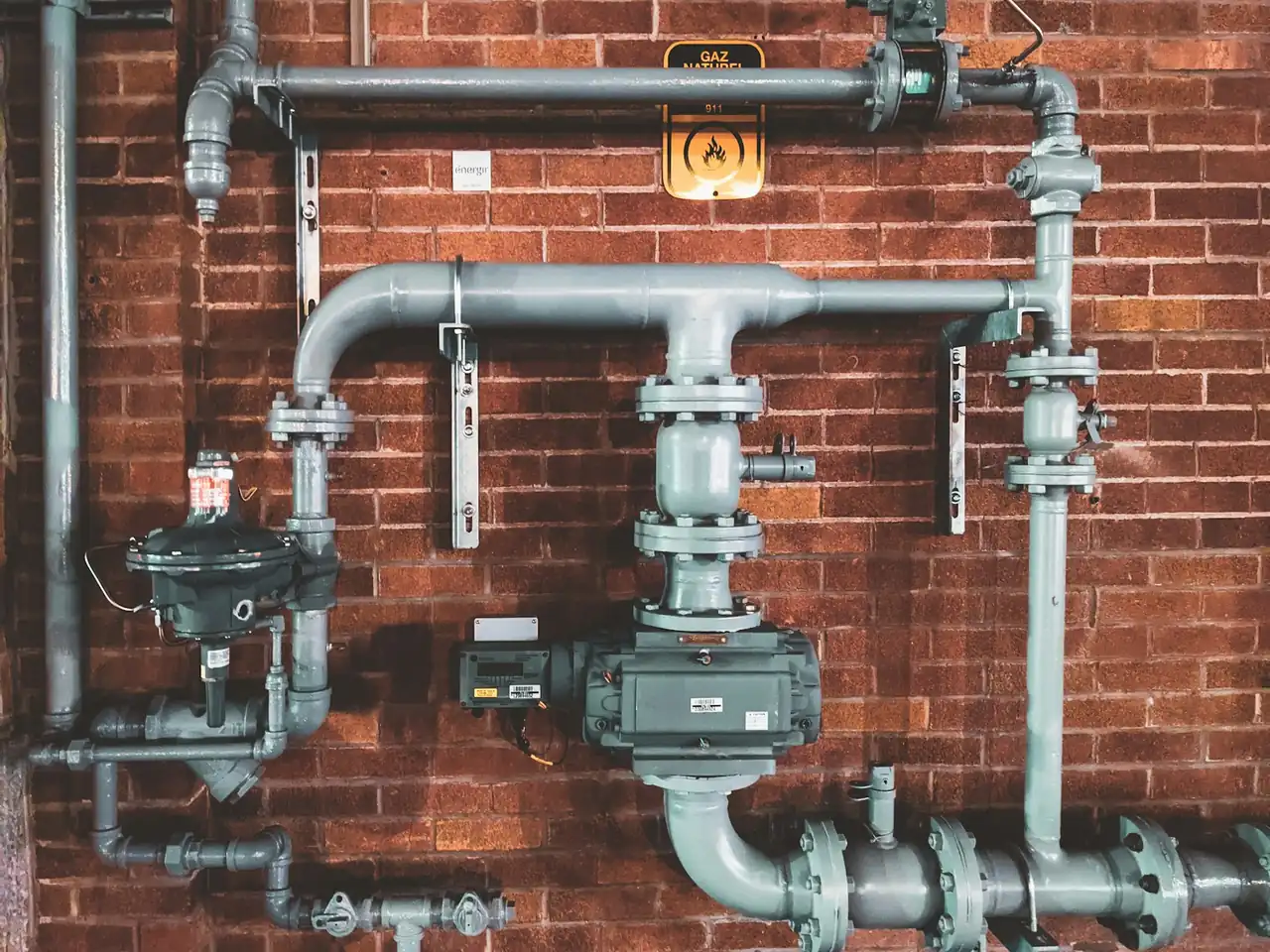
Answers to the questions plant managers, engineering and HSE teams ask us most often.
Request a consultationBiofilters are cheap to run for large flows of biodegradable compounds; chemical scrubbers are compact and effective on NH₃ and H₂S. Combining them is often best.
Italian environmental permits (AUA, AIA/IED, EIA) and discharge consents, from application to approval.
Learn more: Environmental permits & discharge consents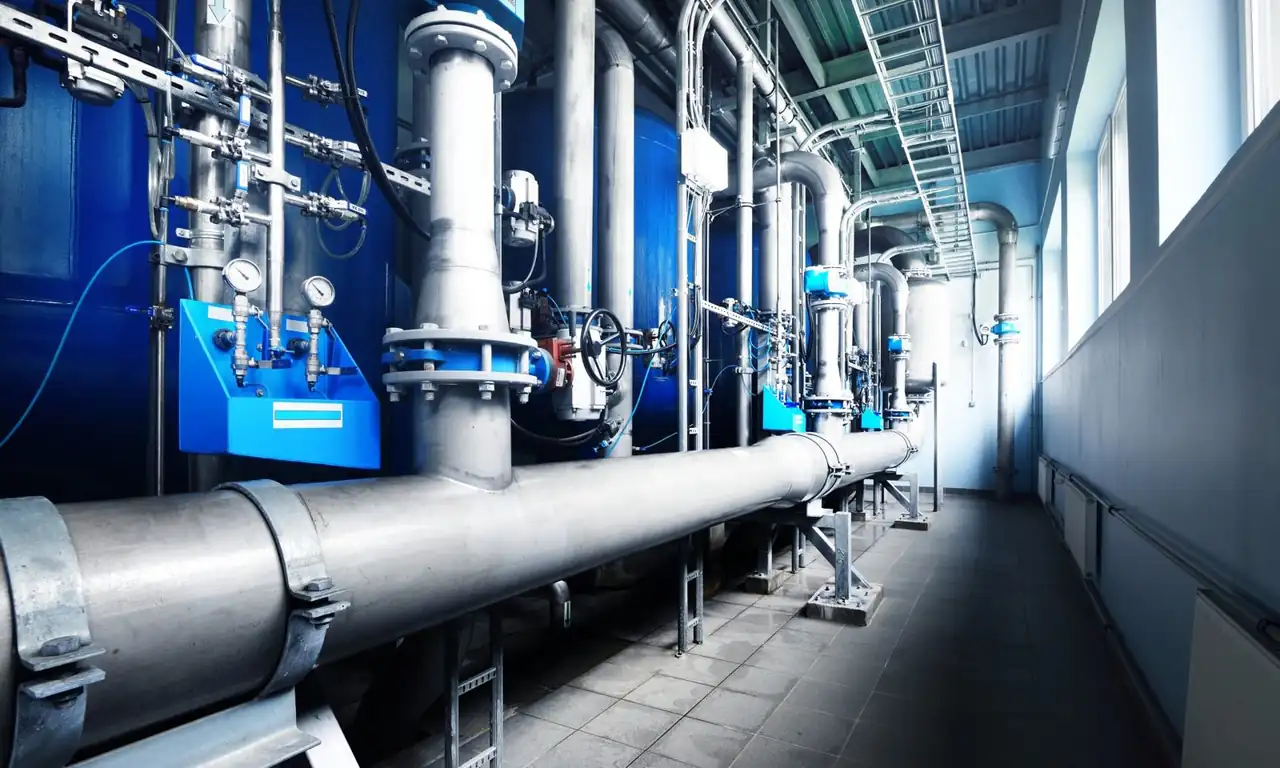
Tailored physico-chemical and biological plants for every industry, from discharge compliance to water reuse.
Learn more: Industrial wastewater treatment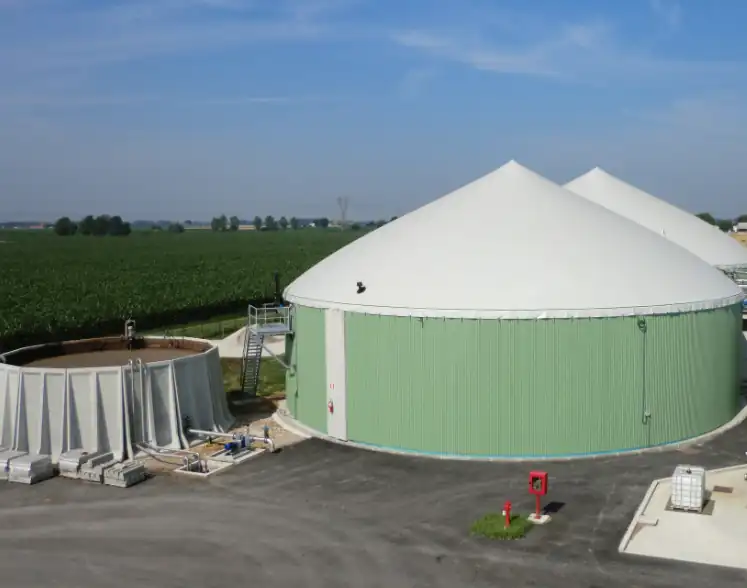
Anaerobic digestion, biomethane upgrading and solar integration: design, permits and finance.
Learn more: Biogas & biomethane plantsWeekly insights on regulation, technologies and real projects in water, wastewater and biomethane.
Tell us about it in a 30-minute call: we will tell you where to start, which data you need and which options to compare.
We use necessary technical cookies and, only with your consent, Google Analytics (anonymous statistics) and Google Maps (maps). No advertising profiling. You can change your choice at any time from "Cookie preferences". Privacy and cookie policy