Water reuse & Zero Liquid Discharge
Water balance, polishing, risk management plan and ZLD: wastewater becomes a resource.
Learn more: Water reuse & Zero Liquid Discharge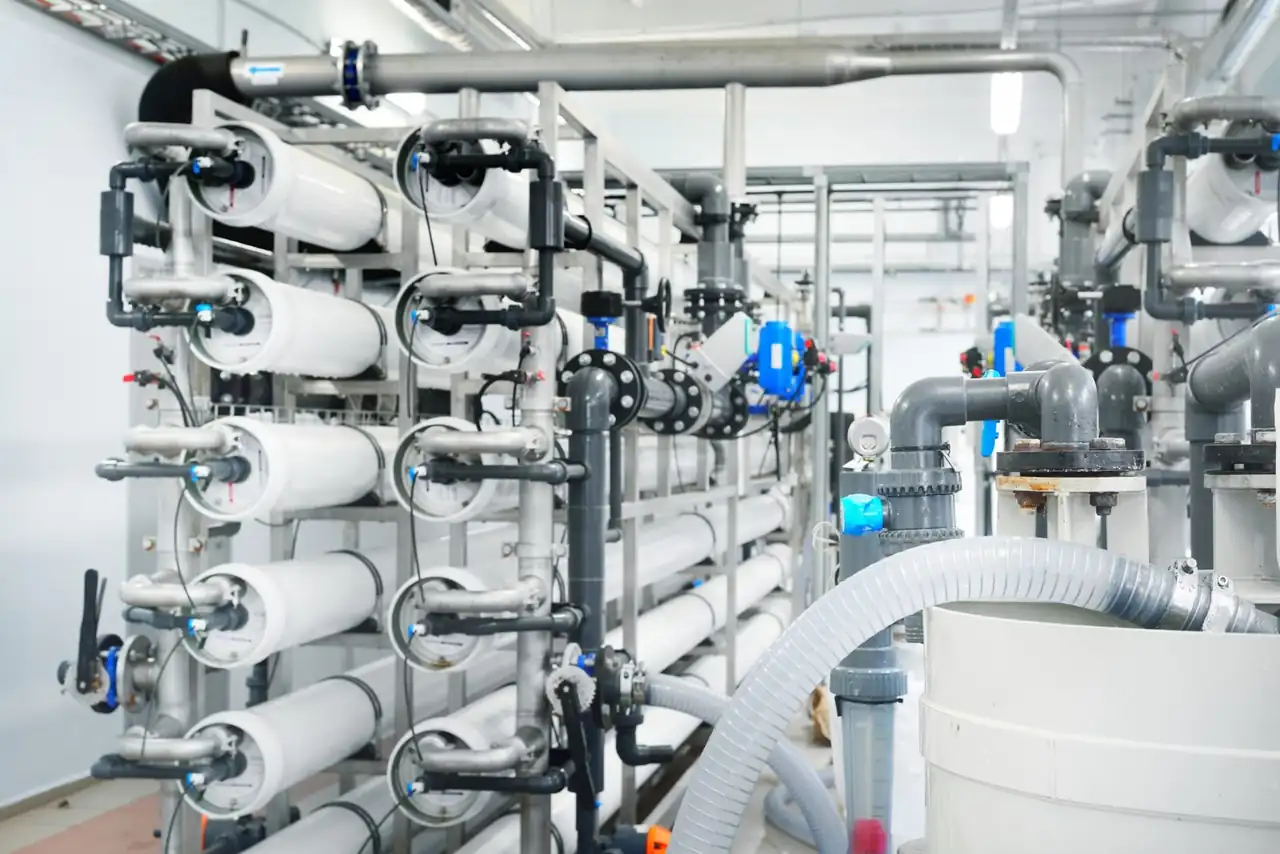
Reverse osmosis (RO) separates water from dissolved salts with high-pressure semi-permeable membranes. Key choices are pre-treatment, recovery (typically 75–85% for brackish water, 35–50% for seawater), specific energy and brine disposal.
Process and demineralised water, brackish and seawater desalination, wastewater reuse after MBR or UF, PFAS and nitrate removal, and concentration steps in Zero Liquid Discharge schemes.
We also audit and optimise existing RO plants (energy, CIP frequency, membrane replacement).
Answers to the questions plant managers, engineering and HSE teams ask us most often.
Request a consultationTypically 5–7 years with proper pre-treatment and regular CIP.
Yes, RO and NF reject most PFAS; the issue moves to the concentrate, which must be managed.
Water balance, polishing, risk management plan and ZLD: wastewater becomes a resource.
Learn more: Water reuse & Zero Liquid Discharge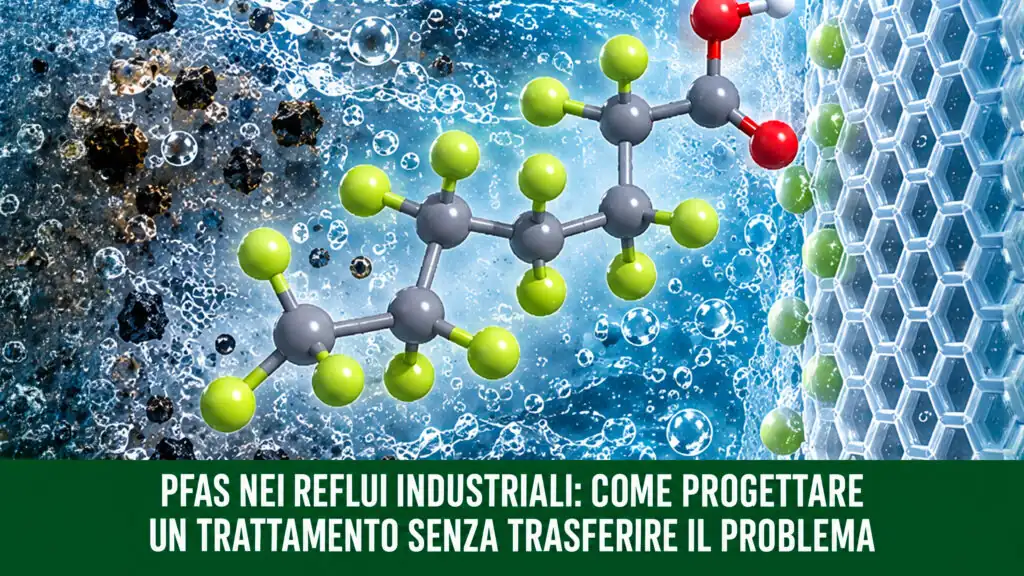
Characterisation, GAC vs ion exchange vs membranes, residue management and acceptance KPIs.
Learn more: PFAS & micropollutant treatment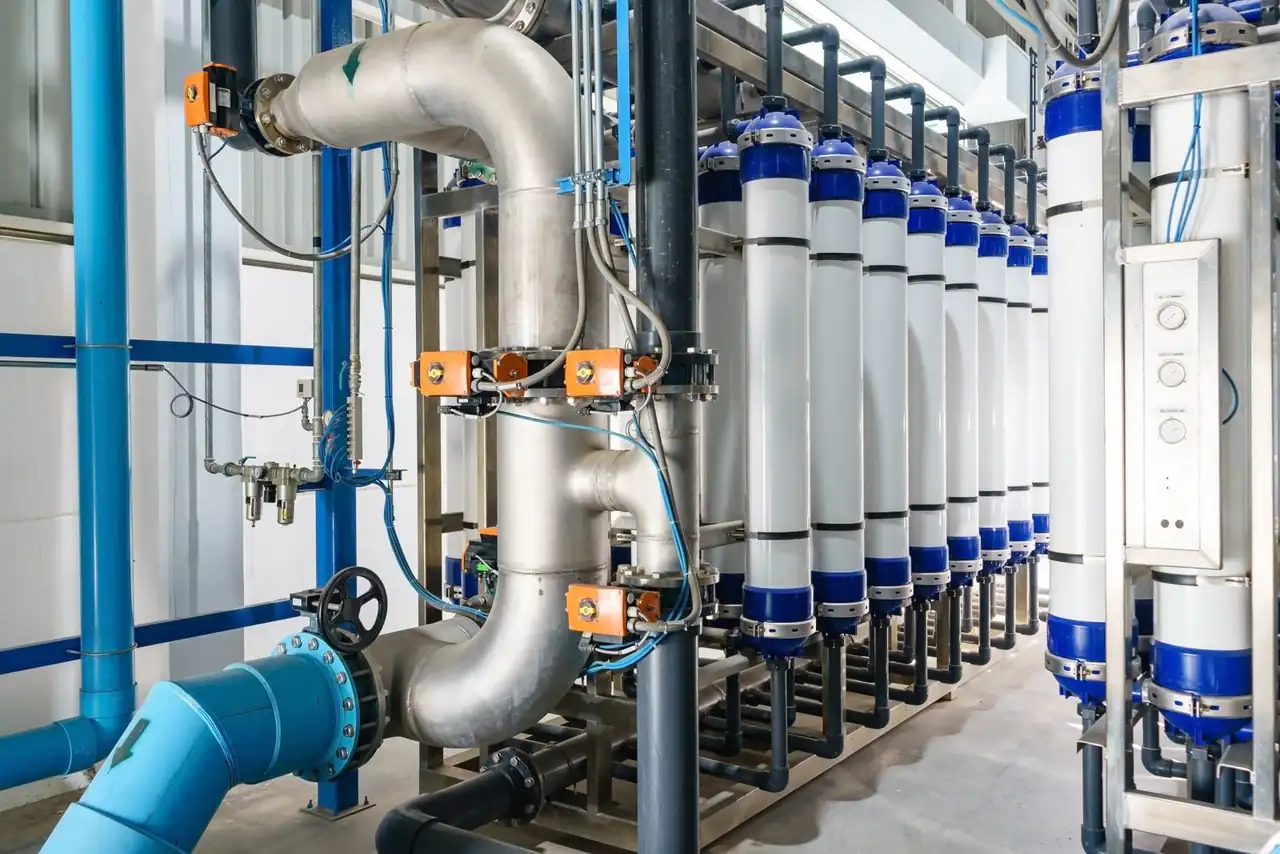
Drinking and process water plants from wells, springs or surface water, including skid-mounted modular units.
Learn more: Drinking water & raw water treatmentWeekly insights on regulation, technologies and real projects in water, wastewater and biomethane.
Tell us about it in a 30-minute call: we will tell you where to start, which data you need and which options to compare.
We use necessary technical cookies and, only with your consent, Google Analytics (anonymous statistics) and Google Maps (maps). No advertising profiling. You can change your choice at any time from "Cookie preferences". Privacy and cookie policy